
In the world of industrial automation and procedure control, the significance of accurate measurement can not be overstated. Various sensors and transmitters promote this precision, assisting sectors handle their fluids, products, and gases efficiently. Amongst these tools, ultrasonic level sensors attract attention for their non-contact measurement abilities, using a reputable approach to measure the level of various substances. Using high-frequency acoustic waves, they can determine distances without straight get in touch with, making them excellent for applications where traditional methods might drop short, such as in harsh or unstable settings. Differential pressure transmitters provide essential information for checking pressure distinctions in fluid systems. These tools can be utilized to gauge levels indirectly in open containers, providing versatility throughout different industrial applications by transforming the measurement of pressure right into a standardized signal that can be translated by control systems.
In addition to level measurement and pressure sensing, flow measurement plays a vital duty in industrial processes. Magnetic flow meters, which make use of Faraday’s Law of electromagnetic induction, offer a non-invasive approach of flow measurement without any kind of relocating parts, making them a recommended option for applications involving conductive fluids. Enhancing these innovations, clamp-on ultrasonic flow meters supply a non-intrusive method of flow measurement by clamping onto the outside of a pipe.
Torque sensors play an important role in applications that require precise measurement of torque in mechanical systems. Rotary torque transducers, as an example, can be employed in manufacturing to control the torque and monitor put on different mechanical components, guaranteeing that they run within specified restrictions and attain ideal efficiency. This ability can be crucial in settings up where inappropriate torque can result in devices failing, inaccuracies, or unsafe operating problems. In conjunction with pressure sensors, industries can maintain their operational stability. Various types of pressure sensors, including vacuum pressure sensors and absolute pressure sensors, make it possible for services to control the environment and keep an eye on in which their items are produced, ensuring optimum conditions throughout the production process.
Explore hydrostatic level sensor the pivotal role of innovative sensors and transmitters in industrial automation, from ultrasonic level sensors to magnetic flow meters, and find out just how these technologies improve efficiency and accuracy across numerous applications.
With numerous flow meter alternatives available, including turbine flow meters, rotameters, and various other types, services require to select gadgets that meet their particular operational demands, taking aspects such as range, liquid, and precision characteristics right into account. Furthermore, calibration is a vital factor to consider for flow meters, particularly turbine flow meter calibration, which ensures that the tool measures properly over its designated array.
On the topic of oil and fuel monitoring, diesel tank level signs are becoming progressively vital as sectors seek to improve functional effectiveness and decrease waste. These gadgets supply real-time monitoring of fuel levels, enabling business to manage their inventory successfully and ensure that procedures are not cut off as a result of provide shortages. In the same blood vessel, high-temperature pressure transmitters are important in processes where severe problems dominate, guaranteeing that exact pressure data is relayed also in environments that might harm common pressure noticing devices.
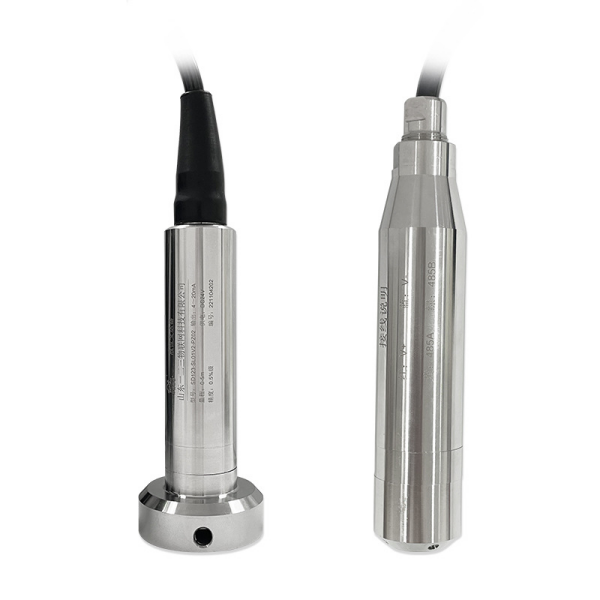
Technological advancements have likewise presented guided wave radar level transmitters, which are specifically reliable in testing settings. These sensors use radar technology to gauge degrees within a tank, offering enhanced accuracy and integrity, particularly for applications with differing densities or problems that could or else prevent measurement accuracy. Hydrostatic level sensors provide another approach for level measurement, making use of pressure to gauge liquid height based on the hydrostatic pressure exerted by the liquid above the sensor. This approach is widely used in water monitoring and wastewater treatment centers, where comprehending fluid degrees is crucial for operational performance.
Discover the essential duty of advanced sensors and transmitters in industrial automation, from ultrasonic level sensors to magnetic flow meters, and find out just how these innovations improve performance and accuracy throughout different applications.
In general, the working principle of pressure transmitters is basic for recognizing how pressure dimensions convert into workable data. By converting the determined pressure right into an electric signal, these transmitters permit smooth interaction with control systems, allowing real-time tracking and modifications to processes. Industries greatly count on this data to keep safety and security, efficiency, and conformity with regulatory criteria.
Water flow meters, specifically, play a vital role in numerous industries, including agriculture, production, and metropolitan water systems. By properly determining the flow of water, services can ensure they optimize their resources, preserve quality assurance, and stick to ecological laws. With the introduction of clever technology, the assimilation of IoT with flow meters and other sensors has changed exactly how markets run. Automated data collection and evaluation enable predictive upkeep, reducing downtime, and boosting general performance.
In final thought, the diverse range of transmitters and sensors offered in today’s market encourages industries to preserve high levels of effectiveness and accuracy in their operations. The value of ultrasonic level sensors, differential pressure transmitters, inline flow meters, magnetic flow meters, and torque sensors can not be overlooked, as they create the foundation of contemporary industrial automation. Cooperation with reputable flow meter distributors, distributors, and manufacturers makes certain that companies receive the very best possible tools to manage their certain difficulties. Ultimately, the combination of sophisticated sensors, correct calibration, and constant improvement in measurement modern technology will certainly drive future developments in industrial processes, making systems extra trustworthy, safe, and reliable. As sectors look towards the future, embracing these modern technologies will be essential for preserving competition in a rapidly evolving market.