
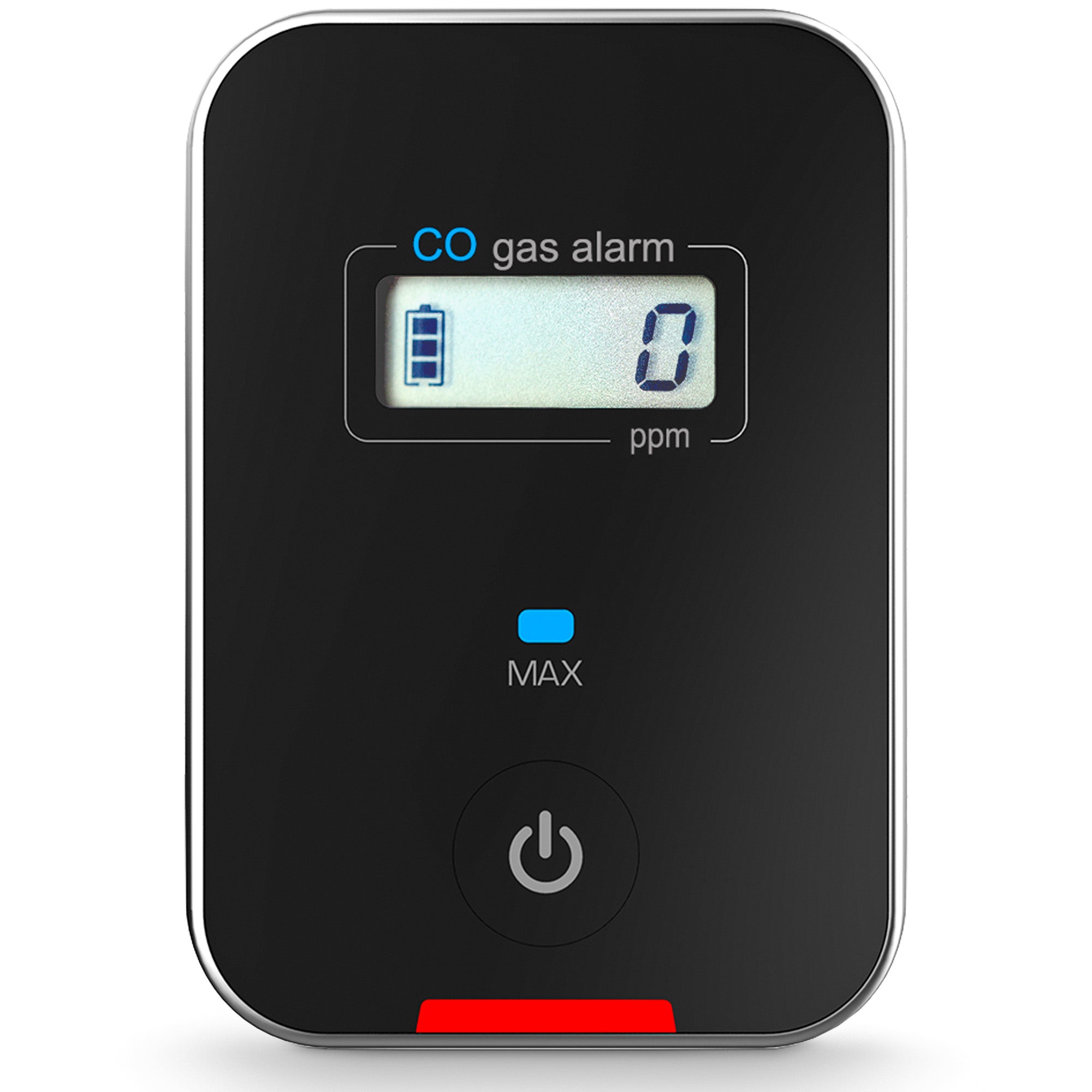
In now s rapidly forward heavy-duty landscape, ache gas monitoring systems for industrial facilities have become a vital portion of work refuge and environmental direction. These intelligent systems supply real-time detection, depth psychology, and reporting of dangerous gases, portion industries keep accidents, ensure restrictive submission, and optimise operational efficiency.
From oil refineries and chemical substance plants to manufacturing units and vim facilities, ache gas monitoring applied science is transforming how industries finagle air timber and gas-related risks.
The Growing Need for Smart Gas Monitoring in Industry
Industrial facilities often deal with hazardous gases such as carbon paper monoxide(CO), methane(CH), hydrogen sulphide(H S), ammonia(NH), and fickle organic compounds(VOCs). Even nestlin leaks can lead to serious consequences, including explosions, wellness hazards, and situation pollution.
Smart gas monitoring systems are requirement because they:
Provide continuous real-time gas detection
Reduce the risk of industrial accidents
Improve work safety conditions
Ensure submission with environmental regulations
Support prognostic sustenance and risk prevention
As industries become more machine-driven and data-driven, orthodox monitoring methods are no yearner comfortable to manage safety requirements.
How Smart Gas Monitoring Systems Work
Smart gas monitoring systems combine hi-tech sensing element applied science with integer connectivity and sophisticated software. These systems unceasingly take in air timbre data and analyse it in real time to discover any immoderate gas levels.
Core Technologies Include:
Electrochemical Sensors: Used for detection cyanogenic gases like CO and H S with high accuracy
Infrared(IR) Sensors: Ideal for sleuthing hydrocarbons and nursery gases such as methane and carbon dioxide
Catalytic Sensors: Measure flammable gas concentrations by detecting combustion reactions
Photoionization Detectors(PID): Identify low levels of inconstant organic compounds
These sensors are structured with smart control units that work data and spark off alarms when SF6-Gasdetektor levels top safe limits.
Key Features of Smart Gas Monitoring Systems
Modern heavy-duty gas monitoring systems are premeditated with intelligent features that enhance refuge and operational control.
Real-time gas detection and alert systems
Multi-gas monitoring capability in a unity network
Wireless connectivity for remote control get at and control
Cloud-based data depot and analytics
AI-powered prophetical sustenance alerts
Integration with industrial automation systems
Visual-boards for easy data interpretation
Automated coverage for submission documentation
These features allow readiness managers to monitor conditions remotely and react quickly to potentiality hazards.
Applications in Industrial Facilities
Smart gas monitoring systems are used across a wide range of industries where gas risks are high.
Oil and Gas Industry
These systems monitor pipelines, drilling platforms, and refineries for gas leaks and combustion risks.
Chemical Manufacturing Plants
They help discover harmful chemical emissions and ensure safe production environments.
Power Generation Facilities
Gas monitoring is requisite for dominant emissions and ensuring safe processes.
Food and Beverage Industry
Carbon dioxide and ammonia water levels are monitored to wield safe processing and storehouse conditions.
Pharmaceutical Manufacturing
Cleanroom environments need microscopic gas monitoring to exert production timber and refuge standards.
Benefits of Smart Gas Monitoring Systems
The borrowing of hurt gas monitoring technology provides numerous advantages for industrial facilities:
Enhanced Safety: Real-time alerts prevent exposure to risky gases
Operational Efficiency: Automated monitoring reduces manual of arms inspections
Regulatory Compliance: Ensures attachment to state of affairs and work safety laws
Cost Reduction: Prevents accidents and minimizes damage
Data-Driven Insights: Enables better -making through sophisticated analytics
These systems not only improve refuge but also put up to overall productivity and sustainability.
Integration with IoT and Industry 4.0
One of the most considerable advancements in gas monitoring applied science is its integration with the Internet of Things(IoT) and Industry 4.0 systems. Smart sensors pass with centralised platforms, allowing real-time data across multiple and locations.
This connectivity enables:
Remote monitoring from control suite or Mobile devices
Predictive analytics for early on venture detection
Automated closedown systems
Seamless integrating with industrial safety protocols
By leverage IoT technology, industries can move from sensitive safety measures to active risk management.
Future of Smart Gas Monitoring Technology
The futurity of heavy-duty gas monitoring is becoming progressively intelligent and machine-driven. Emerging innovations include:
AI-powered gas forecasting and unusual person detection
Self-calibrating and self-learning sensing element systems
Wearable gas signal detection devices for workers
Advanced nano-sensor technologies for high sensitivity
Fully autonomous safety management systems
These developments will further heighten workplace refuge and reduce human error in hazardous environments.
Conclusion
Smart gas monitoring systems for heavy-duty facilities are revolutionizing the way industries manage safety and environmental risks. By combining sophisticated sensing element applied science, real-time analytics, and IoT , these systems ply a right root for detective work and preventing gas-related hazards. As industrial operations carry on to germinate, hurt monitoring technologies will play an even more indispensable role in ensuring safer, more competent, and more sustainable workplaces.