
When choosing a daily supplement, one question often comes up: do multivitamins actually provide iron, or is iron sold separately? The answer is not as simple as checking the word “multivitamin” on the package. Different products are designed for different nutritional needs, so their formulas can vary considerably.
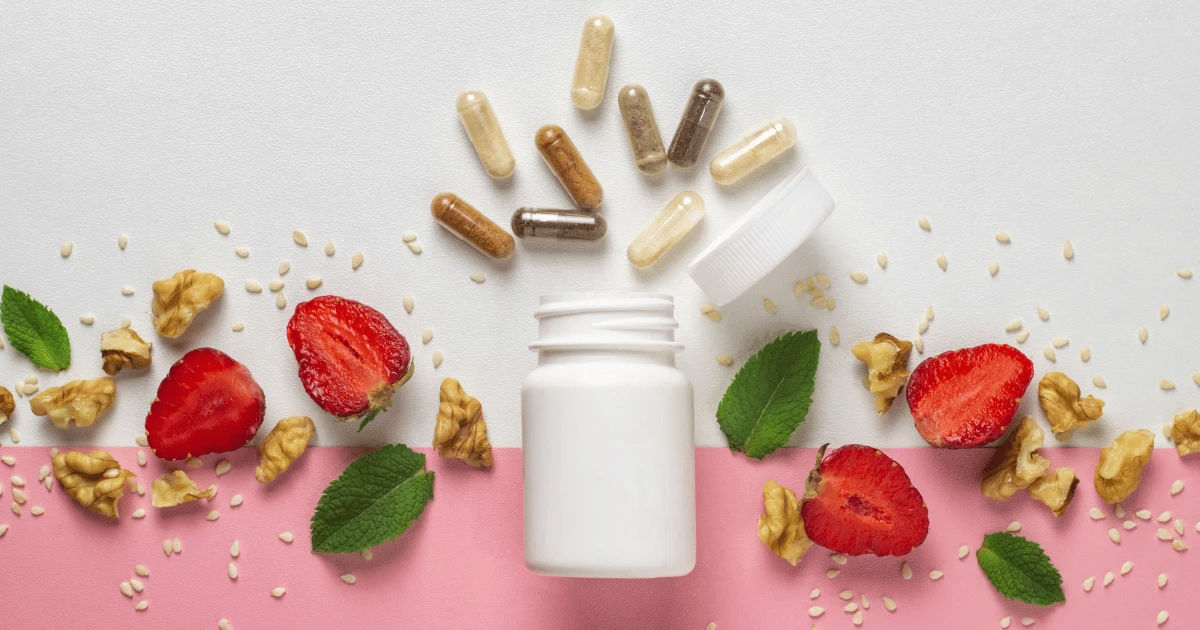
For shoppers comparing the best multivitamin tablets in Pakistan, iron is an important ingredient to check, especially for people who may not get enough iron from their regular diet. Some multivitamin tablets contain iron, while others deliberately leave it out. The amount can also differ from one formulation to another.
Understanding why iron is included, who needs it, and when an iron-free multivitamin may be more suitable can help you make a safer and more informed choice.
Do Multivitamin Tablets Usually Contain Iron?
Many multivitamin tablets contain iron, but not all of them do. There is no rule that says every multivitamin must include iron.
Manufacturers formulate supplements according to their intended audience. A general adult multivitamin may contain iron alongside vitamins and minerals, while a men's formula may contain little or no iron because adult men generally have lower routine iron requirements than menstruating women.
This is why comparing the best multivitamin tablets in Pakistan requires looking beyond the front label. The Supplement Facts, nutrition panel, or ingredient list tells you exactly what the product contains.
Some products may provide iron as ferrous fumarate, ferrous sulfate, ferrous gluconate, or another iron compound. The label may also state the amount of elemental iron supplied by the serving.
Why Is Iron Added to Multivitamins?
Iron has several important functions in the body. One of its best-known roles is helping produce hemoglobin, the protein in red blood cells responsible for carrying oxygen throughout the body.
Iron also contributes to normal energy production and supports several cellular processes. When someone does not get enough iron over time, their iron stores can become depleted.
This can eventually contribute to iron-deficiency anemia. Symptoms may include tiredness, weakness, reduced concentration, dizziness, headaches, or shortness of breath, although these symptoms can have many other causes as well.
For this reason, iron can be a useful component of a multivitamin for people who have increased nutritional needs or do not regularly consume enough iron-rich foods.
However, more iron is not automatically better.
Why Some Multivitamins Do Not Contain Iron
There are good reasons for producing iron-free multivitamins.
The body needs iron, but excessive iron intake can be harmful. People who already obtain sufficient iron through food may not need an additional substantial amount from a supplement.
Some people also experience digestive side effects from iron supplements. Constipation, nausea, stomach discomfort, and changes in bowel habits can occur with certain iron products.
Because of these considerations, some manufacturers create formulas without iron. This can be particularly useful for people who specifically want a broad vitamin and mineral supplement without additional iron.
Therefore, the best multivitamin tablets in Pakistan for one person may not be the best choice for someone else.
Who May Need More Iron?
Iron requirements differ according to age, sex, life stage, diet, and individual circumstances.
Women who menstruate can lose iron through menstrual bleeding and may have higher iron requirements than adult men. Teenagers may also have increased nutritional needs during periods of rapid growth.
Pregnancy is another situation in which iron requirements increase. However, pregnant women should not simply select a high-iron product without professional guidance. Prenatal supplements are formulated differently, and healthcare professionals can recommend an appropriate product based on individual circumstances.
People who follow vegetarian or vegan diets may also need to pay closer attention to iron intake. Plant foods contain non-heme iron, which is absorbed differently from the heme iron found in animal foods.
People with a known iron deficiency may require a specific iron supplement rather than relying on an ordinary multivitamin.
Can a Multivitamin Provide Enough Iron to Treat Deficiency?
Usually, a standard multivitamin should not automatically be considered a treatment for iron deficiency.
This distinction is important.
A multivitamin may contain iron as part of its nutritional formula, but the quantity may be intended to support normal dietary intake rather than correct a diagnosed deficiency.
If blood tests show iron-deficiency anemia, a healthcare professional may recommend a dedicated iron supplement at a specific dose. The appropriate treatment depends on the cause and severity of the deficiency.
Taking a multivitamin and assuming it will correct anemia could delay proper treatment.
This is one reason consumers should look carefully at the iron content when comparing the best multivitamin tablets in Pakistan.
How Much Iron Is in a Multivitamin?
There is no single standard amount found in every multivitamin.
One product might contain a relatively small amount of iron, while another may provide a larger percentage of the daily requirement. Some products may contain no iron at all.
The amount should always be checked on the actual product label rather than guessed from the product category.
Pay attention to the serving size as well. If the label says that two tablets make one serving, the listed nutrient amounts generally apply to those two tablets, not necessarily to one tablet.
This small detail is easy to overlook.
When comparing the best multivitamin tablets in Pakistan, also check whether the listed iron amount refers to elemental iron or simply the weight of an iron compound. Elemental iron is the more useful figure for understanding how much iron you are actually receiving.
Is Iron Better in a Multivitamin for Women?
Many women's multivitamins contain iron because women who menstruate can have greater iron needs.
However, that does not mean every woman needs an iron-containing multivitamin.
Individual requirements differ. A woman with adequate dietary iron may not need extra iron, while someone with low iron stores may need more targeted support.
Women who are pregnant, planning pregnancy, or breastfeeding should be especially careful about choosing supplements. Nutritional requirements change during these stages, and products designed specifically for pregnancy may be more appropriate than a general adult multivitamin.
Rather than choosing based solely on marketing terms such as “women's formula,” read the nutritional panel.
Do Men's Multivitamins Usually Have Iron?
Men's multivitamins often contain little iron or no iron.
This is generally intentional. Adult men typically have lower routine iron requirements than menstruating women, and unnecessary iron supplementation is not desirable.
However, individual circumstances can be different. A man diagnosed with iron deficiency may need iron under medical guidance.
Therefore, an iron-free men's multivitamin is not necessarily inferior to an iron-containing product. It may simply be designed around a different nutritional profile.
This is an important point when evaluating the best multivitamin tablets in Pakistan. The “best” formula should match the nutritional needs of the person taking it.
What Foods Provide Iron?
Supplements are only one way to obtain iron.
Red meat, poultry, seafood, eggs, beans, lentils, chickpeas, and some fortified foods can contribute iron to the diet. In Pakistan, foods such as daal, chana, beans, meat, and leafy vegetables can all play a role in an overall balanced eating pattern.
Vitamin C can improve absorption of non-heme iron from plant foods. For example, adding tomatoes, citrus fruits, guava, or other vitamin-C-rich foods to meals can be useful.
Tea and coffee can reduce absorption of non-heme iron when consumed around meals, so timing can matter for people who are particularly concerned about iron intake.
A balanced diet should remain the foundation rather than treating a multivitamin as a replacement for nutritious food.
How to Check Whether a Multivitamin Contains Iron
Checking a supplement is fairly straightforward.
First, look for “Iron” in the nutrition or supplement facts panel. If it appears, note the amount per serving.
Next, check the serving size. This tells you how many tablets provide the listed amount.
Then look at the form of iron used. Different forms can have different tolerability and absorption characteristics.
Finally, check the product's intended audience. A children's multivitamin, women's formula, men's formula, prenatal supplement, and senior formula may all have different nutritional profiles.
This simple process makes it much easier to compare the best multivitamin tablets in Pakistan without relying on advertising claims.
Are Iron-Containing Multivitamins Safe?
For most healthy people, a properly formulated multivitamin used according to its label can be safe. However, iron deserves particular attention because excessive intake can cause problems.
Taking several supplements at the same time can unintentionally increase total iron consumption. For example, someone might take a multivitamin, an iron supplement, and another fortified nutritional product without realizing that all three contain iron.
Digestive problems are among the more common complaints associated with iron supplementation. Higher amounts can be particularly difficult for some people to tolerate.
People with certain medical conditions involving iron accumulation should also avoid taking iron-containing supplements unless advised by a healthcare professional.
What About Children?
Children should not automatically take adult multivitamins.
Their nutritional requirements differ from those of adults, and accidental ingestion of iron-containing products can be dangerous. Supplements containing iron should therefore be stored securely and kept out of children's reach.
If a child needs a multivitamin, parents should choose a product specifically designed for the child's age group and follow the recommended dose.
Parents should also avoid assuming that a product containing more vitamins and minerals is necessarily better.
How Should You Choose a Multivitamin in Pakistan?
Choosing a multivitamin should start with your nutritional needs rather than the product's popularity.
First, consider your age and sex. Then think about your normal diet and whether you have any known nutritional deficiencies.
Next, determine whether you specifically need iron. If you have no known deficiency and eat a varied diet, a product containing a modest amount—or no iron—may be reasonable depending on your circumstances.
Look for clear labeling, appropriate serving instructions, and a reputable manufacturer. Avoid products that make unrealistic promises about curing diseases or dramatically changing your health.
The best multivitamin tablets in Pakistan should provide transparent information about their ingredients and quantities. A long list of vitamins does not automatically mean the product is better.
Should You Choose a Multivitamin With or Without Iron?
There is no universal answer.
An iron-containing multivitamin can be useful when someone has higher iron needs or struggles to obtain enough iron from food. On the other hand, an iron-free product may make more sense for someone who already gets adequate iron or has been advised not to take additional iron.
The important question is not simply, “Does this multivitamin contain iron?”
The better question is, “Do I need the amount of iron this product provides?”
That change in thinking can prevent unnecessary supplementation.
Common Mistakes When Buying Multivitamins
One common mistake is choosing a product solely because it contains the highest number of vitamins and minerals.
Another is assuming that every multivitamin contains iron. As discussed above, formulations vary widely.
Some consumers also compare prices without comparing the amount per serving. A cheaper bottle is not necessarily better value if it requires more tablets per day or contains substantially different nutrient levels.
Another mistake is taking multiple supplements without checking overlapping ingredients. This can result in excessive intake of certain nutrients.
Finally, people sometimes use multivitamins to self-treat persistent fatigue. Tiredness can have many causes, including sleep problems, dietary issues, anemia, stress, and other health conditions. A supplement should not replace proper evaluation when symptoms persist.
Frequently Asked Questions
Do all multivitamins contain iron?
No. Some multivitamins contain iron, while others are completely iron-free. The only reliable way to know is to check the nutritional information and ingredient list on the specific product.
Are iron-containing multivitamins better?
Not necessarily. Iron is an essential nutrient, but whether it is beneficial in a multivitamin depends on your individual nutritional needs. Someone who needs more iron may benefit from it, while someone who already gets enough may not need additional supplementation.
Can I take an iron-containing multivitamin every day?
Many products are designed for daily use, but you should follow the manufacturer's dosage. If you are already taking another iron supplement or have a medical condition that affects iron levels, ask a healthcare professional before adding another iron-containing product.
How can I tell if I need iron?
A healthcare professional can assess your situation and, when appropriate, order blood tests such as a complete blood count and iron-related tests. Symptoms alone are not enough to confirm iron deficiency.
Are the best multivitamin tablets in Pakistan always high in iron?
No. A high iron content does not determine whether a multivitamin is good. The most appropriate product depends on its complete nutritional profile and whether its ingredients match the user's needs.
Can I get enough iron from food?
Many people can obtain adequate iron through a balanced diet. Meat, poultry, seafood, legumes, and fortified foods can all contribute to iron intake. Individual requirements vary, so dietary needs should be considered alongside age, sex, and life stage.
Conclusion
So, do the best multivitamin tablets in Pakistan contain iron? Some do, but certainly not all. Iron is an important mineral, yet its presence in a multivitamin depends on the product's intended audience and nutritional design.
Women who menstruate, teenagers, pregnant individuals, and people with certain dietary patterns may have greater iron needs. Others may have adequate iron intake and prefer an iron-free formula.
The key is to read the label instead of assuming that every multivitamin has the same ingredients. Check the serving size, iron amount, other nutrients, and intended use before making a decision.
Most importantly, do not use a regular multivitamin as a substitute for proper treatment if you have diagnosed iron deficiency or anemia. In those situations, professional advice is more useful than simply choosing a supplement with the highest iron content.
A good multivitamin is not necessarily the one with the most ingredients. It is the one whose formulation makes sense for the person taking it.