
Looking for a used Toyota 3Y engine for sale? The right replacement starts with identifying the exact 3Y variant, not simply matching the 2.0-liter displacement. Toyota produced several versions of the 3Y engine, including carbureted, fuel-injected, emissions-equipped and LPG configurations. Your vehicle’s engine code, chassis information, fuel system and original equipment should therefore be checked before ordering a replacement.
The 3Y is a 1,998 cc inline-four gasoline engine with an OHV eight-valve design. The standard 3Y is associated with a carbureted configuration, while variants such as the 3Y-E use fuel injection. These differences can affect compatibility even when two engines belong to the same family.
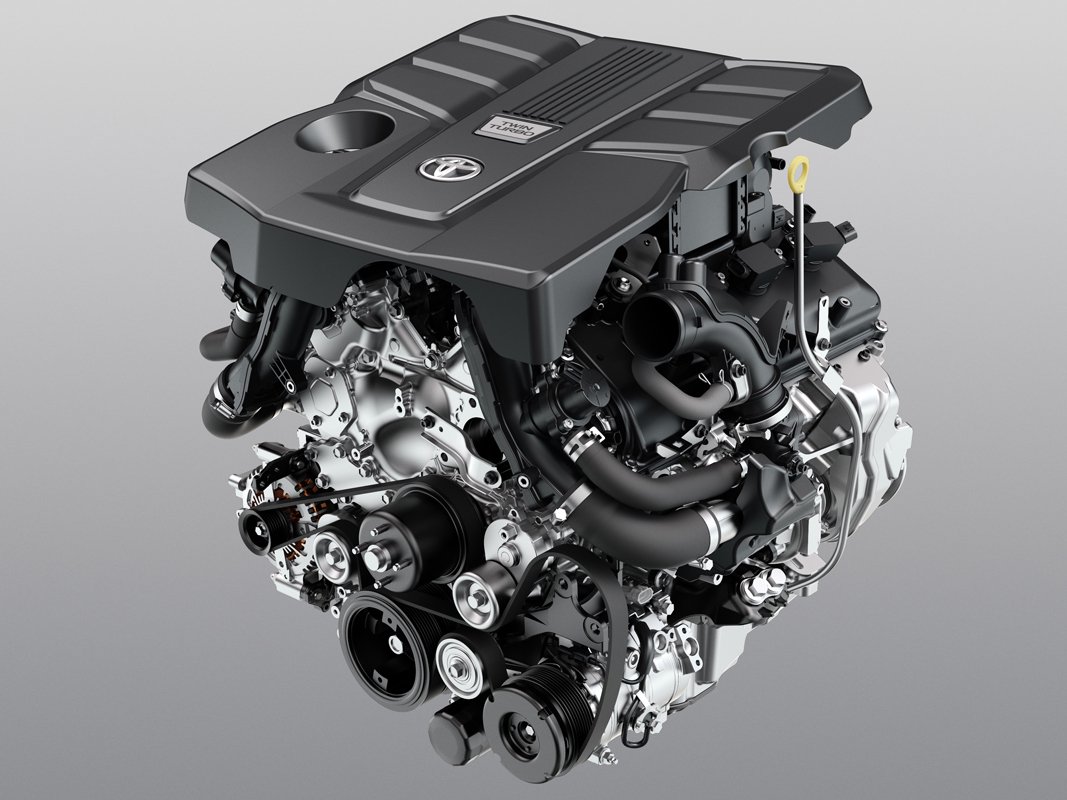
For an older Toyota, matching the complete engine code and application is generally more useful than searching by model name alone.
Understanding the Toyota 3Y Engine Family
The Toyota 3Y belongs to the Y-series of engines and was used across a range of Toyota vehicles. The standard 3Y has a 1,998 cc displacement, an 86 mm bore, an 86 mm stroke and an approximately 8.8:1 compression ratio. Reference specifications list output around 88 PS and 155 Nm for the standard version.
However, the term “3Y engine” covers more than one configuration.
Some of the variants you may encounter include:
- 3Y – standard carbureted configuration
- 3Y-C – carbureted version with emissions equipment
- 3Y-E – fuel-injected configuration
- 3Y-EU – fuel injection with emissions equipment
- 3Y-P – LPG configuration
- 3Y-PU – LPG with emissions equipment
- 3Y-PE – LPG and fuel injection
These variants were used in different vehicles and markets, so a replacement should be selected according to the original application.
Toyota 3Y Specifications at a Glance
| Specification | Standard 3Y |
| Engine family | Toyota Y-series |
| Displacement | 1,998 cc |
| Configuration | Inline 4-cylinder |
| Valve design | OHV, 8 valves |
| Bore | 86 mm |
| Stroke | 86 mm |
| Compression ratio | Approximately 8.8:1 |
| Standard fuel system | Carbureted |
| Aspiration | Naturally aspirated |
Specifications can vary across the 3Y family, so these figures should not be used as the sole basis for selecting a replacement.
Which Toyota Models Used the 3Y?
The 3Y family was installed in a variety of Toyota vehicles, particularly older vans, trucks and utility-focused models.
Depending on the particular variant and market, applications included versions of the:
- Toyota HiAce
- Toyota Hilux
- Toyota Dyna/ToyoAce
- Toyota LiteAce
- Toyota TownAce
- Toyota Mark II
- Toyota Hilux Surf/4Runner
For example, documented applications for the standard 3Y include certain third-generation HiAce, Hilux and Dyna/ToyoAce models. The 3Y-E was used in selected Mark II and Hilux Surf applications, while the 3Y-EU appeared in selected Hilux Surf/4Runner and TownAce models.
Because these applications span different vehicle generations, model-name matching alone isn’t sufficient.
Why the Engine Suffix Is Important
Suppose your original vehicle uses a carbureted 3Y and you find a fuel-injected 3Y-E listed for sale.
Both engines are part of the same family, but the fuel-delivery system is different.
That can mean differences in:
- Intake components
- Fuel delivery
- Wiring
- Sensors
- Electronic controls
- Emissions equipment
- Exhaust components
- External accessories
The same issue applies when comparing gasoline and LPG versions.
The Basic Rule
Match the complete engine code before assuming compatibility.
If your existing engine is marked “3Y-E,” don’t automatically purchase a listing described only as “3Y.” Ask for the exact engine code and compare the configuration with your vehicle.
What Information Should You Have Before Ordering?
Older engines can have complicated fitment because production specifications changed across markets and vehicle generations.
Before contacting a seller, collect as much of the following information as possible:
- Vehicle year
- Toyota model
- Trim or body style
- VIN
- Chassis/frame number
- Original engine code
- Transmission
- Fuel type
- Carburetor or injection configuration
- Two-wheel-drive or four-wheel-drive configuration
- Photos of the original engine
- Important accessory information
Providing these details can make it easier to identify an appropriate used engine.
How to Choose Between a Complete Engine and Long Block
A major consideration when shopping for a used Toyota 3Y engine is what is actually included with the replacement.
Complete Used Engine
A complete engine may arrive with various external components already installed.
Depending on the specific listing, it may include some combination of:
- Intake manifold
- Exhaust manifold
- Carburetor or injection components
- Distributor
- Alternator
- Starter
- Sensors
- Brackets
- Wiring
But “complete” can mean different things between sellers, so always request an itemized description.
Long Block
A long block generally contains the primary assembled engine but excludes many external components.
A long block can be useful if your existing:
- Intake system
- Exhaust components
- Alternator
- Starter
- Distributor
- Sensors
- Brackets
are still usable and compatible.
| Replacement type | What to verify |
| Complete engine | Exact included accessories |
| Long block | Reusability of your existing components |
| Rebuilt engine | Work performed and replacement parts |
| Engine assembly | Precise definition of the assembly |
Choosing the wrong configuration can result in additional parts and labor after the engine arrives.
How to Evaluate a Used Toyota 3Y Engine
A used engine should be evaluated using more than appearance or mileage.
- Check the Donor Vehicle
Knowing the donor vehicle can help establish how the engine was originally configured.
Ask for:
- Donor make and model
- Donor year
- Engine code
- Mileage, if available
- Reason for vehicle dismantling
- Ask About Testing
Useful testing information can include:
- Compression test results
- Oil-pressure test results
- Leak testing
- Running test
- Cooling-system inspection
Not every used engine will have the same testing documentation, so ask what evidence is available before purchasing.
- Inspect the Exterior
Look for:
- Cracked castings
- Damaged mounting points
- Heavy corrosion
- Broken brackets
- Missing sensors
- Damaged connectors
- Oil leaks
- Coolant residue
- Damaged pulleys
An older engine can naturally show dirt or surface corrosion. What matters is distinguishing ordinary age-related appearance from damage that could affect installation or operation.
Does Mileage Tell You Whether a Used Engine Is Good?
Mileage is useful information, but it should not be treated as a complete condition report.
A used Toyota 3Y with documented testing may provide more useful information than a lower-mileage engine with no available history.
When comparing two engines, consider:
| Factor | Why it matters |
| Mileage | Indicates accumulated use |
| Testing | Provides mechanical-condition information |
| Donor vehicle | Helps verify original application |
| Engine code | Helps establish configuration |
| Included parts | Affects installation requirements |
| Warranty | Defines available protection |
| Return terms | Important if fitment differs |
| Storage condition | Can affect long-unused engines |
This broader comparison gives you a more realistic picture of what you’re purchasing.
When Should You Replace a Toyota 3Y Engine?
A replacement engine may be considered when repairing the existing unit is impractical or when major damage has occurred.
Possible reasons include:
- Severe internal wear
- Low compression
- Major overheating damage
- Cracked components
- Significant oil consumption
- Persistent mechanical noise
- Serious corrosion
- Extensive cylinder-head damage
- High rebuilding costs
However, engine replacement should follow a proper diagnosis. Some problems that appear to require an engine can instead be caused by fuel, ignition, cooling or accessory-system issues.
Used Replacement vs. Rebuilding Your Existing Engine
Both options have different requirements.
| Consideration | Used replacement | Rebuilding existing engine |
| Existing engine required | No | Yes |
| Internal parts inspected | Depends on testing | Yes, during teardown |
| Component selection | Depends on donor | Greater control |
| Machining required | Usually not for installation | May be required |
| Installation work | Required | Required after rebuilding |
| Cost | Varies by condition | Varies by damage and parts |
| Availability | Depends on supply | Depends on rebuildable core |
If your original engine has a usable block and cylinder head, rebuilding can be considered. If major components are damaged, a suitable replacement may provide another route.
What Should You Inspect Before Installation?
Once the replacement has been selected, inspect components that are difficult or expensive to access after installation.
Depending on the vehicle, consider checking:
- Engine mounts
- Belts
- Hoses
- Thermostat
- Water pump
- Oil filter
- Spark plugs
- Gaskets
- Accessible seals
- Vacuum lines
- Fuel lines
- Electrical connectors
- Cooling system
You don’t necessarily need to replace every item. The goal is to identify worn or questionable components while the engine is accessible.
What Affects the Price of a Used Toyota 3Y Engine?
There is no universal price for a used Toyota 3Y engine for sale.
The cost can depend on:
- Exact engine variant
- Donor vehicle
- Mileage
- Mechanical condition
- Testing
- Complete versus long-block configuration
- Included accessories
- Availability
- Warranty
- Shipping
- Return terms
When comparing engines, consider the complete replacement expense.
For example, a less expensive long block may require additional accessories, while a more complete assembly could reduce the number of separate components you need to source.
A Simple Toyota 3Y Buying Checklist
Before ordering, confirm:
- Original engine code
- Replacement engine code
- Vehicle year
- Toyota model
- VIN/chassis information
- Fuel system
- Transmission
- Drive configuration
- Donor vehicle
- Mileage
- Testing information
- Included components
- Warranty
- Return policy
- Shipping requirements
This checklist is particularly useful when purchasing an older engine where multiple configurations may appear in search results.
People Also Ask About Toyota 3Y Engines
Is the Toyota 3Y a 2.0-liter engine?
Yes. The Toyota 3Y has a displacement of 1,998 cc, commonly classified as a 2.0-liter engine.
Is every Toyota 3Y engine the same?
No. Toyota produced multiple 3Y variants with different fuel and emissions configurations.
What is the difference between 3Y and 3Y-E?
The standard 3Y is carbureted, while the 3Y-E is a fuel-injected version of the engine family.
What Toyota vehicles used the 3Y?
Applications varied by version, but the 3Y family was used in selected HiAce, Hilux, Dyna/ToyoAce, TownAce, LiteAce, Mark II and Hilux Surf/4Runner vehicles.
Can I install a 3Y-E in a vehicle originally equipped with a 3Y?
It should not be assumed to be a direct replacement. The fuel, electrical, intake, emissions and accessory systems need to be compared.
Is a complete engine better than a long block?
They serve different purposes. A complete engine can provide more components, while a long block may be suitable when the vehicle’s existing external parts can be reused.
How can I verify a used 3Y engine before buying?
Compare the engine code and donor application, request available testing information, confirm included components and verify the replacement against your vehicle’s chassis or VIN information.
Frequently Asked Questions
- What is the displacement of the Toyota 3Y?
The 3Y has a 1,998 cc displacement, with an 86 mm bore and 86 mm stroke.
- Does the Toyota 3Y use a carburetor?
The standard 3Y uses a carbureted configuration. Other variants in the family, including the 3Y-E, use fuel injection.
- Can a used Toyota 3Y engine be rebuilt?
Yes. Whether rebuilding is practical depends on the condition of the block, cylinder head, crankshaft and other components.
- What should I ask a seller before buying?
Ask for the complete engine code, donor vehicle, mileage, testing information, included components, warranty and return conditions.
- Does the engine come with accessories?
That depends on the particular assembly. Always confirm whether the starter, alternator, intake, exhaust, distributor, sensors and other accessories are included.
- Can a 3Y engine from another Toyota model fit my vehicle?
Possibly, but model-to-model compatibility should never be assumed. Compare the engine code and physical, fuel, electrical and transmission-related requirements.
- Is mileage enough to evaluate a used engine?
No. Mileage is only one factor. Testing, donor history, condition and included documentation should also be considered.