Day: June 6, 2026

최신 링크 모음으로 원하는 정보를 쉽게 확인하는 방법최신 링크 모음으로 원하는 정보를 쉽게 확인하는 방법


실시간 주소 모음으로 필요한 정보를 쉽게 확인하는 방법에 대해 알아보겠습니다. 디지털 세상이 확장되면서, 정보를 찾는 방식도 더욱 효율적으로 바뀌고 있습니다. 특히 업데이트된 주소 모음은 유용한 자료를 신속하게 검색하는 데 매우 유용합니다.

가장 먼저, 실시간으로 갱신되는 주소 모음을 활용하는 것이 중요합니다. 해당 링크은 자료의 정확성을 확인하는 데 도움이 됩니다. 특정 상황에서는, 업데이트 관련 주소를 통해 즉시 핵심 내용을 접근할 수 있습니다.

다음으로, 테마별로 정리된 링크 모음을 선택하면 유용한 콘텐츠를 빠르게 찾을 수 있습니다. 카테고리별 정리은 효율성을 높이며 찾고자 하는 콘텐츠를 효율적으로 확인할 수 있도록 유리합니다. 특히 연구 자료를 찾을 때는 분류된 링크 모음이 큰 도움이 됩니다.

또한, 검색 기능이 강화된 사이트 모음을 활용하면 빠른 접근이 가능합니다. 검색 옵션을 활용하면 원하는 정보를 키워드로 효율적으로 찾을 수 있습니다. 예를 들어, 관심 있는 주제를 검색어로 입력하면 효율적으로 결과를 얻을 수 있습니다.

더불어, 모바일 환경에 적합한 링크 모음을 활용하면 언제 어디서나 자료를 검색할 수 있습니다. 반응형 디자인이 있는 링크 모음은 외부에서도 빠르게 유용한 콘텐츠를 확인하고 획득할 수 있도록.

끝으로, 최신 정보가 반영된 링크 모음을 꾸준히 이용하는 습관을 가지면, 유용한 콘텐츠를 쉽게 검색할 수 있으며, 디지털 활용 능력을 강화할 수 있습니다. 정리하면, 실시간 링크 모음은 자료 검색을 편리하게 만들어 줍니다.

따라서, 최신 주소 모음을 참고하면, 필요한 자료를 효율적으로 찾을 수 있으며, 정보 수집 능력을 높일 수 있습니다. 계속 업데이트된 링크 모음을 참고하고, 원하는 정보를 빠르게 확인하는 방식을 가지는 것이 현명합니다. https://opgogo.clickn.co.kr/pages/opguide.

How Old Do I Look? Understanding Perceived Age and What Shapes ItHow Old Do I Look? Understanding Perceived Age and What Shapes It

Asking “how old do I look” is a common shortcut for a deeper curiosity about identity, health, and social perception. Perceived age can influence first impressions in dating, hiring, and everyday interactions. It is shaped by a mix of biological factors, lifestyle choices, photographic conditions, and cultural expectations. Whether you’re checking a selfie for social media, preparing a headshot for a job application, or simply satisfying a bit of curiosity, understanding how apparent age is calculated and what you can control helps you interpret results more thoughtfully. For a quick, playful estimate you can try an AI-powered age detector like how old do i look, but it’s useful to know the mechanics behind these estimates and the real-world factors that affect them.

Why People Ask “How Old Do I Look?” — Social, Psychological, and Practical Motives

People ask “how old do I look” for many reasons beyond simple curiosity. Socially, age signals readiness, maturity, and sometimes attractiveness. In job searches, appearing appropriately experienced without seeming too old can be a concern; in dating, perceived age can influence perceived compatibility. Psychologically, perceived age can affect self-esteem: looking younger than one’s chronological age is often associated with vitality, while looking older can provoke concerns about health or discrimination. For parents and grandparents, perceived age on photos can also spark amusement and nostalgia.

There are practical motives too. Headshots and professional profiles aim to present a target impression—trustworthy, energetic, or seasoned—so people use perceived-age feedback to fine-tune lighting, grooming, and wardrobe. Marketers and content creators monitor perceived age to match images to target demographics. Schools, community groups, and local services may use perceived-age cues when designing outreach material to make it feel relevant to a specific age cohort.

Lastly, technology has made the question instantly solvable in playful ways. AI tools provide an estimated age based on facial features, giving people a data point to compare with their feelings and goals. While the output is entertaining and sometimes insightful, it’s important to treat it as an estimate—a blend of algorithmic pattern-matching and the biases present in the training data. Understanding the motive behind asking the question helps people decide how much weight to put on that estimate and whether to take action to change their perceived age.

What Influences Perceived Age: Biology, Lifestyle, and Image Factors

Perceived age is affected by a combination of visible, contextual, and cultural factors. On the biological side, skin texture, wrinkles, pigmentation, and facial fat distribution are strong visual cues. Collagen loss, sun damage, and facial bone structure can make someone appear older or younger. Lifestyle factors—smoking, alcohol use, sleep patterns, diet, and stress—accelerate or slow visible aging. Regular exercise and skin care often contribute to a fresher appearance, while chronic stress and poor sleep can add years.

Image-related variables also play a large role. Lighting, camera angle, and image resolution can drastically change perceived age in a photo: harsh overhead light exaggerates shadows and wrinkles, while soft, diffused light minimizes texture and creates a smoother look. Makeup and grooming shape perceived age as well—strategic use of color, contouring, and hair styling can emphasize youthfulness or maturity depending on intent. Clothing and accessories convey social cues that influence age perception; a conservative suit may suggest an older professional, while casual streetwear often reads younger.

Cultural expectations and ethnicity are also relevant: different populations have varying aging patterns and beauty standards, so the same facial features can be interpreted differently across contexts. AI-based estimators look for patterns in datasets and can be influenced by the composition of their training images, which may reflect cultural biases. Because of these influences, perceived age is a flexible metric: two different photos of the same person can produce widely varying estimates depending on momentary conditions and cultural framing.

Using Age-Estimation Tools Responsibly and Practical Tips to Influence Perceived Age

AI age-estimation tools can be fun and occasionally useful, but using them responsibly means understanding their limits. These tools analyze visible markers to generate a number that represents what an algorithm predicts as your apparent age. Treat that number as one data point, not a definitive judgment. If you are using such tools for professional reasons—like refining a headshot for a resume or local business listing—compare multiple photos under consistent lighting to find an image that aligns with the impression you want to convey.

Practical tips to influence perceived age in photos include controlling lighting (soft, frontal light reduces shadowed lines), adjusting camera angle slightly above eye level to minimize sagging, and paying attention to grooming—neat hair, subtle makeup, and well-chosen clothing can shift perceptions. For local service providers or community profiles, consider the audience: a health clinic’s staff photos might aim for approachable maturity, while a youth program might prefer images that read younger and energetic. Real-world examples show small tweaks make big differences: a candidate changed her LinkedIn headshot from a dimly lit conference photo to a bright studio-style image and saw higher engagement and more interview invitations.

Finally, remember privacy and consent when uploading photos to any online tool. Use a reputable site for entertainment or quick feedback and avoid sharing sensitive images you wouldn’t want stored. Age-estimation tools are best employed as a playful mirror that highlights how others might initially perceive you, rather than as a strict assessment of health or worth.

Blog

Which Famous Face Are You? Discover Your Celebrity TwinWhich Famous Face Are You? Discover Your Celebrity Twin

Curiosity about which famous person resembles you has sparked countless conversations, selfies, and viral social posts. Whether the goal is sheer entertainment, party icebreakers, or finding a haircut that suits a celebrity vibe, the question “celebrity I look like” taps into a mix of identity, pop culture, and modern technology. Advances in facial-recognition AI make it easier than ever to upload a photo and receive an instant comparison to thousands of public figures. This guide explains how those systems work, how to get the most accurate match, and practical ways to use your results—without technical jargon.

How AI Matches Your Face to a Celebrity: Behind the Scenes of Facial Analysis

AI-based look-alike tools analyze faces by breaking them down into measurable elements. The process starts with facial landmark detection—identifying points like eye corners, the tip of the nose, mouth edges, and jawline. Those landmarks are used to compute a mathematical representation called an embedding: a compact vector that encodes the proportions, angles, and relative distances that define a face. The system then compares that embedding to a database of celebrity embeddings to find the closest matches.

Modern models use deep neural networks trained on diverse image datasets so they can recognize subtle patterns in texture, bone structure, and expression. While this approach is powerful, several factors influence accuracy. Lighting, facial expression, makeup, aging, and hairstyle all change how features are captured by the camera and by the algorithm. Ethnic diversity and dataset biases can also affect results—tools trained on more globally representative data sets tend to produce fairer, more accurate matches across different backgrounds.

Another useful concept is similarity score: numerical values that show how closely two faces match. Higher scores suggest stronger resemblance, but interpretation should remain light-hearted. Most look-alike platforms are designed for entertainment and social sharing rather than forensic-grade identification. Understanding these technical and ethical caveats helps set realistic expectations: AI can highlight likenesses and inspire comparisons, but human perception and cultural context ultimately shape whether a match “feels” right.

How to Capture the Best Photo for a Reliable Celebrity Match

Getting an accurate and satisfying result starts with the photo. For the most reliable match, choose a clear, recent image where the face faces the camera and is evenly lit. Avoid heavy shadows or overly bright backlighting—natural daylight from a window is often ideal. Keep expressions neutral or offer a small, natural smile; exaggerated expressions distort the landmarks that AI uses to compare facial structure.

Remove or minimize accessories like large sunglasses, hats, or scarves, since they can hide key features. If glasses are part of the usual look, include one photo with and one without them to see how matches change. Consistent hair framing helps too: if the haircut typically hides the forehead or chin, provide an alternative photo showing more of the face. Uploading multiple photos can refine results—some systems aggregate matches across images to improve confidence.

Beyond technical tips, think about the goal. For social sharing, a fun or glamorous shot may be best. For planning a themed party or a costume inspired by a celebrity, use a clear portrait to guide hair, makeup, and wardrobe decisions. For casting or local events where resemblance matters, use high-resolution images and multiple angles. When trying a look for a city-based production or event, share photos that reflect local lighting and style trends to ensure the chosen celebrity aesthetic translates well in real-world settings.

If curious to test a face with a quick, user-friendly tool, upload a clear photo to celebrity i look like and see which famous faces appear in the results. The process is designed to be simple and fast, letting anyone explore matches without special technical skills.

Real-World Uses, Privacy Considerations, and Creative Examples

Look-alike tools are more than novelty—real-world scenarios show how the results can be practical and fun. Social media challenges frequently turn look-alike matches into viral content: friends compare twins, influencers gamify results, and reunion events use celebrity matchups for themed photo booths. In entertainment, local theater groups and casting directors use resemblance tools as one of several inputs when searching for actors who can visually match historical figures or well-known personalities for city productions or promotional events.

A fictional example illustrates the point: a community theater in Austin wanted a lead who visually echoed a classic film star for a period piece. By screening local headshots with a look-alike system, the casting team quickly found several promising candidates to audition, saving time and narrowing choices. Another common use is styling: hairdressers and makeup artists use celebrity matches to find inspiration that fits a client’s facial structure—choosing bangs, contouring, or lip color informed by a famous face with similar proportions.

Privacy and consent remain essential. Users should pay attention to how images are stored, whether they are retained for model improvement, and what options exist for deletion. Entertainment-oriented platforms usually allow anonymous uploads and quick deletion, but reading the privacy policy and checking for clear opt-in settings helps protect personal data. Lastly, remember cultural sensitivity and respect: comparing people to celebrities should remain positive and consensual, avoiding comparisons that might cause discomfort or perpetuate stereotypes.

Blog

Discover What an Attractiveness Test Really Tells You About Your LookDiscover What an Attractiveness Test Really Tells You About Your Look

People are curious about how machines evaluate faces, and an attractiveness test—especially one powered by artificial intelligence—can offer quick feedback on visual traits like symmetry, proportions, and skin texture. While these tools are often used for fun, understanding how they work and how to interpret results helps you get useful insights without overstating their authority. Below are clear explanations, practical guidance, and realistic scenarios to help you use an attractiveness assessment wisely.

How an AI-Based Attractiveness Test Works

An AI-driven attractiveness test analyzes facial images using computer vision and machine learning models trained on large collections of photos. The first step is face detection: the system identifies facial landmarks such as the eyes, nose, mouth, jawline, and eyebrow positions. From those landmarks the algorithm computes numeric measures for symmetry, proportions (for example, eye-to-mouth distance), and facial ratios historically associated with perceived beauty.

Next, image-processing techniques evaluate skin tone uniformity, texture, and the presence of high-contrast features like sharp jawlines or distinct cheekbones. Modern models often combine classic geometric metrics with convolutional neural networks that learn visual patterns from labeled examples. The final output is typically a score or category that translates the model’s internal assessment into a human-readable result.

It’s important to recognize the model’s limits: training datasets, labeling criteria, and cultural biases shape outcomes. A model trained primarily on one demographic may underperform for others, and what the algorithm treats as attractive may prioritize features common in its training set. Because of these constraints, many platforms emphasize that their results are for entertainment or casual curiosity rather than professional or medical evaluation. If you want to try a quick, automated assessment, you can use an online attractiveness test to see how AI interprets your photo in seconds.

Interpreting Scores: What the Results Mean (and Don’t Mean)

When you receive a numeric score or label from an attractiveness assessment, view it as one perspective among many. A model’s score reflects measured visual patterns—not the full complexity of human attractiveness, which includes personality, charisma, grooming, fashion, and behavior. A higher score typically indicates closer alignment with the algorithm’s learned patterns, such as balanced facial geometry or smooth skin, while a lower score signals deviation from those patterns.

Psychological and social context matters. Cultural norms shape what individuals find attractive; beauty ideals differ across regions, age groups, and communities. A single algorithm cannot capture this diversity, so scores should not replace feedback from trusted friends, professional photographers, or style consultants. Interpreting results constructively can be useful: for instance, a test might reveal that changing lighting or camera angle makes a significant difference in perceived facial symmetry, which is practical advice for improving portraits or profile images.

Be mindful of emotional reactions. For some people, seeing a low score can trigger insecurity. Use the output as data, not destiny. If you’re experimenting—say, selecting the best headshot for a dating app or LinkedIn—you can run multiple images through the test to compare lighting, expressions, and framing. Real-world examples show people using automated scores to select the most flattering photo to boost first impressions online; however, these improvements typically reflect better photography choices rather than changes in inherent attractiveness.

Using Attractiveness Tests Responsibly: Practical Tips, Privacy, and Local Use Cases

To get the most value while protecting yourself, follow a few practical guidelines. First, choose high-quality photos with even lighting and a neutral background; small technical changes can alter scores significantly. Use multiple images to compare expressions and angles—smiles, slight head tilts, and posture all influence perceived appeal. If your goal is to improve profile photos for dating or professional networking, focus on presentation: grooming, clothing contrast, and natural light often yield bigger results than any surgical or cosmetic changes.

Privacy and consent are essential. Before uploading a photo to any online tool, review the platform’s terms regarding data retention, sharing, and model training. Avoid uploading images of minors or photos that reveal sensitive personal information. If you’re a local professional—such as a photographer, stylist, or image consultant—these tools can serve as a quick, impartial check when advising clients, but rely on personal expertise and client preferences rather than algorithmic scores alone.

Practical local scenarios include choosing a new headshot for a region-specific dating scene or testing several storefront portraits to optimize local advertising. Photographers and content creators can use automated assessments as one part of a workflow: select the strongest candidates based on the test, then apply human review and brand considerations before publishing. Ethically, acknowledge algorithmic bias and avoid using results to shame or exclude people. Instead, use scores as a prompt for technical improvements—better lighting, sharper focus, or more flattering attire—that help images communicate confidence and authenticity in any city or community.

Blog

Temukan Resep Rahasia GSC108 untuk Hidangan Keluarga yang Selalu DirindukanTemukan Resep Rahasia GSC108 untuk Hidangan Keluarga yang Selalu Dirindukan

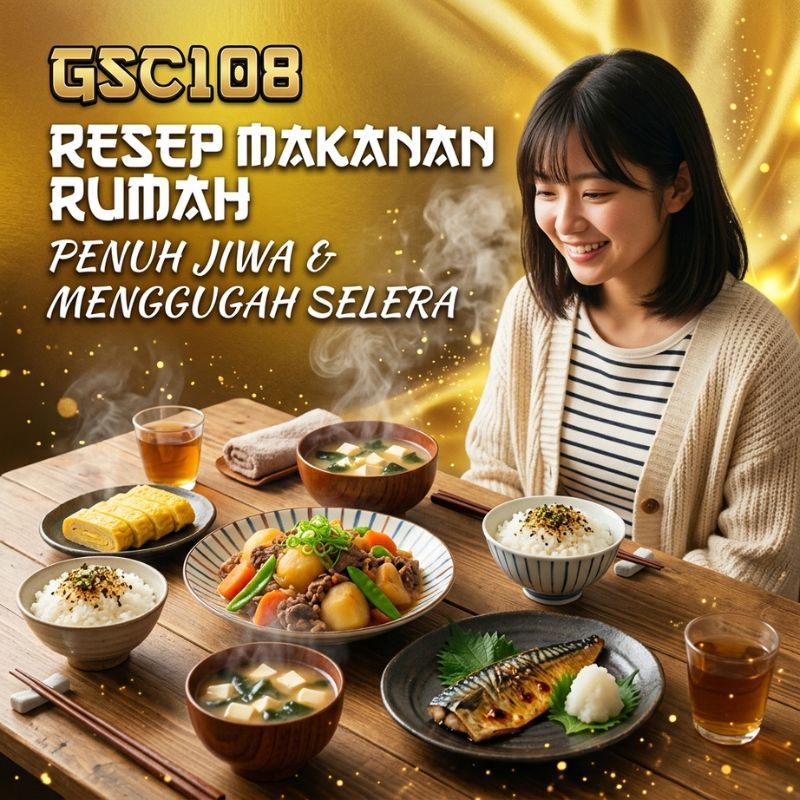
Setiap keluarga memiliki hidangan favorit yang selalu dinantikan saat berkumpul. Aroma yang menggoda dari dapur, rasa yang akrab di lidah, dan kehangatan yang tercipta di meja makan sering kali menjadi bagian dari kenangan yang sulit dilupakan. Di tengah banyaknya resep yang beredar, Resep Rahasia GSC108 hadir sebagai inspirasi bagi siapa saja yang ingin menghadirkan sajian istimewa yang mampu menyatukan seluruh anggota keluarga dalam suasana penuh kebersamaan.

Keistimewaan GSC108 terletak pada perpaduan bahan-bahan sederhana dengan teknik pengolahan yang tepat. Resep ini tidak mengandalkan bahan mahal atau sulit ditemukan. Sebaliknya, fokus utamanya adalah menciptakan keseimbangan rasa yang harmonis antara gurih, manis, dan aroma rempah yang menggugah selera. Hasil akhirnya adalah hidangan yang terasa istimewa meskipun dibuat dari bahan yang akrab di dapur rumah.

Salah satu alasan mengapa hidangan berbasis resep GSC108 begitu mudah dirindukan adalah teksturnya yang kaya dan konsisten. Setiap komponen dalam hidangan memiliki peran penting untuk menciptakan pengalaman makan yang memuaskan. Proses memasak dilakukan secara bertahap agar cita rasa dari setiap bahan dapat menyatu dengan sempurna. Teknik ini membantu menghasilkan rasa yang lebih dalam dan kompleks dibandingkan metode memasak yang terburu-buru.

Pemilihan bahan segar menjadi kunci utama keberhasilan resep ini. Sayuran yang masih segar, protein berkualitas baik, serta bumbu pilihan akan memberikan hasil yang jauh lebih maksimal. Banyak orang sering mengabaikan kualitas bahan dan lebih fokus pada jumlah bumbu yang digunakan. Padahal, bahan yang segar mampu menghadirkan rasa alami yang membuat hidangan terasa lebih lezat tanpa perlu tambahan penyedap berlebihan.

Rahasia lain yang membuat GSC108 begitu populer adalah penggunaan bumbu yang diracik dengan proporsi seimbang. Kombinasi bawang, rempah-rempah pilihan, dan bahan pelengkap lainnya menciptakan lapisan rasa yang kaya. Saat dimasak perlahan, aroma bumbu akan meresap ke seluruh bagian hidangan sehingga setiap suapan menghadirkan sensasi yang konsisten dan memuaskan.

Dalam penyajiannya, hidangan ini sangat fleksibel untuk berbagai kesempatan. Baik untuk makan malam keluarga, acara syukuran sederhana, maupun pertemuan akhir pekan, resep gsc108 mampu menjadi menu andalan yang selalu mendapat sambutan hangat. Kehadirannya di meja makan sering kali menjadi pusat perhatian karena tampilannya yang menggugah selera dan aromanya yang mengundang siapa saja untuk segera mencicipi.

Banyak keluarga yang menjadikan resep semacam ini sebagai tradisi turun-temurun. Ketika sebuah hidangan berhasil menghadirkan kenyamanan dan kebersamaan, nilainya menjadi lebih dari sekadar makanan. Ia berubah menjadi bagian dari cerita keluarga, mengingatkan pada momen-momen spesial yang pernah dilalui bersama. Tidak mengherankan jika hidangan yang dibuat dengan resep GSC108 sering kali menjadi menu yang paling dirindukan oleh anggota keluarga, bahkan setelah bertahun-tahun.

Untuk mendapatkan hasil terbaik, penting untuk memperhatikan waktu memasak dan tingkat kematangan setiap bahan. Kesabaran selama proses memasak akan memberikan perbedaan besar pada hasil akhir. Rasa yang kaya dan tekstur yang sempurna biasanya lahir dari proses yang dilakukan dengan penuh perhatian. Inilah yang membedakan hidangan biasa dengan sajian yang benar-benar berkesan.

Selain lezat, resep GSC108 juga mudah dimodifikasi sesuai selera keluarga. Anda dapat menyesuaikan tingkat kepedasan, menambahkan sayuran favorit, atau mengganti jenis protein sesuai kebutuhan. Fleksibilitas ini membuat resep tetap relevan dan disukai oleh berbagai generasi, mulai dari anak-anak hingga orang dewasa.

Di era modern yang serba cepat, menghadirkan hidangan rumahan yang penuh cita rasa menjadi cara sederhana untuk mempererat hubungan keluarga. Resep Rahasia GSC108 menawarkan lebih dari sekadar panduan memasak. Resep ini menghadirkan kesempatan untuk menciptakan momen berharga melalui makanan yang dibuat dengan perhatian dan kasih sayang. Ketika aroma masakan memenuhi rumah dan seluruh keluarga berkumpul menikmati setiap suapan, terciptalah pengalaman yang akan selalu dikenang dan dirindukan.