Author: Millermarker

The Vital Importance of Car Services: A Key to Vehicle Longevity and PerformanceThe Vital Importance of Car Services: A Key to Vehicle Longevity and Performance
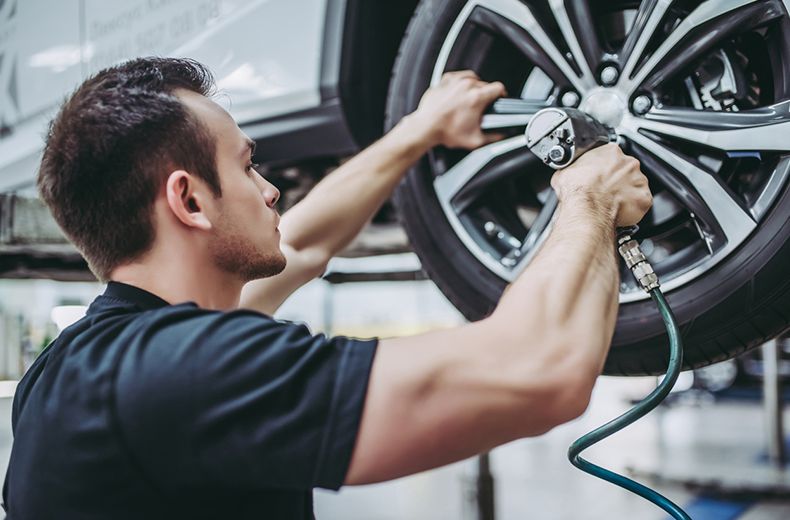
Cars have become an essential part of our daily lives, offering the convenience of transportation, whether it's for work, leisure, or errands. However, just like any other complex machine, your car requires regular maintenance and services to ensure that it continues to operate efficiently and safely. Regular car services are the cornerstone of vehicle care, extending its lifespan, improving its performance, and ensuring safety on the road. This article will explore why regular car services are vital, what they include, and how they can save you money in the long run.

Why Regular Car Services Matter

  1. Enhancing Safety on the Road: limo service hong kong are essential for maintaining the safety features of your vehicle. The tires, brakes, steering, suspension, and other critical systems all need regular checks to ensure they are functioning properly. For instance, worn-out brake pads or tires with insufficient tread can lead to dangerous driving conditions, especially in wet or icy weather. By keeping up with regular car services, you’re reducing the chances of unexpected malfunctions, which can lead to accidents or breakdowns.

  2. Preventing Unexpected Breakdown: There’s nothing worse than being stranded on the side of the road due to an unexpected breakdown. Many car problems start small but can quickly escalate into more significant, expensive issues if left unchecked. Regular servicing helps detect problems early before they cause complete system failure. Whether it's an issue with the engine, transmission, or electrical system, routine checks can identify these problems early and fix them before they lead to a larger breakdown.

  3. Improving Fuel Efficiency: A well-maintained car operates more efficiently and consumes less fuel. Regular car services, such as oil changes, air filter replacements, and tire pressure checks, help ensure that your vehicle runs at its optimal fuel efficiency. For instance, a clogged air filter or low tire pressure can decrease your car’s fuel economy, resulting in more trips to the gas station. By keeping your car in tip-top shape, you’ll save money on fuel and reduce your carbon footprint.

  4. Prolonging the Life of Your Car: Just like any machine, a car needs regular care to keep it running smoothly for years. Proper servicing can extend the lifespan of your vehicle, allowing you to enjoy many more miles of trouble-free driving. Tasks like oil changes, brake inspections, and fluid checks help ensure that your car’s components are working as they should, preventing wear and tear that could lead to costly repairs. Regular car servicing helps maintain your car’s value and usability over time.

  5. Maintaining Resale Value: If you plan on selling your car in the future, keeping it regularly serviced can help maintain its resale value. Buyers are more likely to purchase a vehicle that has a complete service history, indicating that the car has been well-maintained and cared for. A well-documented service record can show that your vehicle is in good condition and has been regularly inspected for potential issues.

Common Types of Car Services

Car services cover a wide range of tasks, depending on the make and model of your vehicle. Some services are standard and should be performed regularly, while others may be necessary depending on the condition of your car. Below are some of the most common types of car services:

  1. Oil Changes and Filter Replacements: Engine oil lubricates the engine’s moving parts, reducing friction and preventing overheating. Over time, oil breaks down and becomes contaminated with dirt and debris. Regular oil changes are crucial to keep the engine running smoothly. Along with the oil change, the oil filter should be replaced to ensure that the oil stays clean and effective.

  2. Brake Inspections: Your vehicle’s brakes are essential for your safety. Brake pads, rotors, and brake fluid should be inspected regularly to ensure they’re in good working condition. Worn-out brake pads can increase the stopping distance, while low brake fluid can lead to brake failure. Regular brake checks help identify problems before they compromise your safety.

  3. Tire Maintenance: Tires are one of the most important safety features of a vehicle. Regular tire checks ensure that the tires have sufficient tread, are properly inflated, and are free from damage. Low tire pressure can decrease fuel efficiency, and worn-out tires can affect handling, especially in adverse weather conditions. Tire rotations and balancing should also be done regularly to ensure even wear and extend the life of your tires.

  4. Fluid Checks and Top-ups: Cars require a variety of fluids to operate correctly, including coolant, brake fluid, transmission fluid, power steering fluid, and windshield wiper fluid. These fluids should be checked and topped up regularly to ensure that all systems are functioning optimally. For example, low coolant levels can lead to engine overheating, while low transmission fluid can cause the transmission to fail.

  5. Battery Maintenance: A car battery powers the vehicle’s electrical systems and starts the engine. A weak or old battery can leave you stranded, especially in extreme weather conditions. Regular battery checks help ensure that it is properly charged, free from corrosion, and functioning as it should. Replacing an aging battery before it fails can prevent an inconvenient and costly breakdown.

  6. Air Filter Replacement: The air filter helps ensure that the engine receives clean air, which is necessary for efficient combustion. Over time, the air filter becomes clogged with dust, dirt, and debris, reducing the engine’s performance. Replacing the air filter regularly helps maintain fuel efficiency and engine performance.

  7. Suspension and Steering System Check: The suspension system is responsible for providing a smooth ride and maintaining control of the vehicle. Regular checks of the shock absorbers, struts, and steering components can identify wear and prevent poor handling. If left unchecked, issues with the suspension system can affect the car’s stability and handling.

  8. Exhaust System Inspection: The exhaust system controls harmful emissions and helps reduce noise. Regular inspections can identify leaks or blockages that can affect the vehicle’s performance and increase emissions. A well-maintained exhaust system ensures that your car runs efficiently and adheres to environmental standards.

How Often Should You Service Your Car?

The frequency of car services depends on the make and model of your vehicle, as well as the type of driving you do. However, the following general guidelines can help you stay on track with maintenance:

  • Oil and Filter Change: Every 3,000 to 7,500 miles or every 3 to 6 months, depending on the type of oil used.
  • Brake Inspection: Every 12,000 miles or once a year.
  • Tire Rotation and Balance: Every 6,000 to 8,000 miles.
  • Battery Check: Every 12 months.
  • Fluid Checks: Every 6,000 to 12,000 miles, depending on the type of fluid.
  • Full Service (Comprehensive Inspection): Every 12,000 miles or annually.

For specific recommendations, consult your vehicle’s owner manual.

Choosing the Right Car Service Provider

Selecting the right service provider is essential for ensuring that your car receives the best care. Consider these factors when choosing a mechanic or service center:

  1. Reputation: Look for reviews and testimonials from previous customers. A reputable service provider will have a history of satisfied customers and positive feedback.

  2. Experience and Certification: Ensure the technicians are trained and certified to work on your car. Certifications from recognized organizations such as ASE (Automotive Service Excellence) indicate expertise in the field.

  3. Transparency and Pricing: Choose a service provider that offers clear, upfront pricing and explains the services being performed. Avoid mechanics who offer vague estimates or try to upsell unnecessary services.

  4. Warranty: A reliable service provider will offer warranties on parts and labor, providing peace of mind that any issues will be addressed without additional costs.

Conclusion

Regular car services are an investment in the longevity, safety, and performance of your vehicle. By keeping up with routine maintenance tasks, you can prevent costly repairs, improve fuel efficiency, and ensure that your car runs smoothly for years to come. From oil changes to brake checks, these services keep your vehicle in top condition, helping you avoid unexpected breakdowns and ensuring a safer driving experience. Make car servicing a priority, and you’ll reap the benefits of a well-maintained vehicle, ultimately saving time, money, and hassle in the future.

The Vital Role of Drainage Cleansing in Home MaintenanceThe Vital Role of Drainage Cleansing in Home Maintenance

When it comes to maintaining a home, drainage systems are often overlooked until a problem arises. However, keeping your drains clean and functioning properly is essential for the health and longevity of your plumbing system. 通渠 not only prevents clogs and blockages, but it also ensures the efficient removal of wastewater, protects your property from water damage, and enhances indoor air quality. In this article, we’ll explore the importance of drainage cleansing, the consequences of neglecting your drains, and the best methods for keeping your plumbing system in top shape.


Why Drainage Cleansing is So Important

  1. Preventing Expensive Plumbing Issues

    One of the most common consequences of a clogged drain is a complete blockage, which can cause water to back up into sinks, bathtubs, or even flood your home. When drains become completely blocked, the situation typically requires professional plumbing services, which can be costly. Regular drainage cleansing is an effective preventive measure to avoid these serious blockages and the hefty repair bills that come with them.

  2. Minimizing the Risk of Water Damage

    Water damage is one of the most expensive types of damage a homeowner can face. When drainage systems are clogged, water may pool in unwanted areas, such as under your home or around the foundation, potentially compromising structural integrity. Water damage can also affect your floors, walls, and furniture. By ensuring your drainage system is clean and free-flowing, you’re reducing the risk of water pooling, leaks, and other forms of damage.

  3. Protecting Your Home’s Foundation

    A key aspect of a functional drainage system is ensuring that water is directed away from your home’s foundation. If your drains are clogged or not working properly, water can accumulate around the foundation, leading to soil erosion and, over time, structural damage. By performing regular drainage cleansing, you can help protect your property’s foundation and avoid costly repairs to structural issues.

  4. Preventing Odors and Health Hazards

    Over time, clogs can cause organic materials such as food scraps, soap, hair, and grease to break down within the pipes. This decomposition process can create unpleasant odors that can seep into your home, making it smell musty or even rotten. Furthermore, the bacteria and mold that thrive in stagnant water can lead to health issues, especially for those with respiratory conditions like asthma. Drainage cleansing helps eliminate foul smells and reduces the risks posed by bacteria and mold growth, contributing to a healthier home environment.

  5. Maintaining Proper Water Flow

    Slow-draining sinks, tubs, or showers are often early signs that your pipes are beginning to clog. The more time that passes with a slow drain, the harder it becomes to address the issue. Regular drainage cleansing ensures water flows through your pipes quickly and without obstruction, helping to avoid the frustration of slow drainage and preventing larger plumbing issues from arising.


Common Causes of Drain Clogs

Understanding the causes of clogs can help you take steps to avoid them in the future. Here are some of the most common culprits of drain blockages:

  1. Grease and Oil

    Grease and oils from cooking can solidify and accumulate within your pipes over time. Many homeowners unknowingly pour cooking oils, butter, or fat down the sink, causing these substances to congeal and stick to the inner walls of the pipes. This creates a sticky buildup that can trap food and other debris, eventually leading to a complete clog.

  2. Hair and Soap Scum

    In bathroom drains, hair is one of the leading causes of blockages. When combined with soap scum (a mix of soap and minerals found in hard water), hair can form stubborn clumps that reduce water flow and create blockages. Regular cleaning and preventive measures, like using drain catchers, can help minimize hair buildup in bathroom drains.

  3. Food Scraps and Debris

    Kitchen drains are often clogged by food waste such as vegetable peels, coffee grounds, pasta, and other small debris. While garbage disposals can help break down some food scraps, not all items should be put down the drain. Even small amounts of food waste can accumulate over time and form blockages.

  4. Foreign Objects

    In bathrooms, toilets are sometimes clogged by items that shouldn’t be flushed, such as wet wipes, sanitary products, and cotton balls. These objects do not break down easily in water and can cause serious blockages in pipes if flushed regularly. It’s important to be mindful of what gets flushed to avoid unnecessary plumbing problems.

  5. Tree Roots

    Tree roots are often an unseen enemy of underground drainage systems. As roots search for water, they can infiltrate cracked or poorly sealed pipes, causing blockages and sometimes even pipe breakages. Root intrusion can be tricky to detect without professional help, but it’s a common issue in older homes or properties with mature trees.


Methods of Drainage Cleansing

Regular drainage cleansing can be done using several methods, depending on the severity of the problem. Here are some common techniques:

  1. Plumbing Snake (Drain Auger)

    A plumbing snake, or drain auger, is a flexible tool that plumbers use to break through and remove clogs. It works by being fed into the drain and rotated to dislodge blockages. For minor clogs, this tool is effective and can often be used by homeowners for DIY drain cleaning.

  2. Hydro-Jetting

    Hydro-jetting is a powerful and effective way to clean pipes. It involves using high-pressure water streams to clear away stubborn clogs, grease buildup, and tree roots. Hydro-jetting is best left to professionals because of the force involved, but it’s one of the most thorough methods of drain cleansing available.

  3. Enzyme Drain Cleaners

    Enzyme-based cleaners are a gentler, eco-friendly option for routine drain maintenance. These cleaners contain natural enzymes that break down organic matter, such as food particles and grease, without damaging your pipes. Enzyme cleaners are a safer alternative to harsh chemical drain cleaners, which can cause long-term damage to your plumbing.

  4. Chemical Drain Cleaners

    While chemical cleaners are available for clearing blockages, they should be used with caution. These products often contain harsh chemicals that can corrode pipes over time, especially in older plumbing systems. If you do use chemical cleaners, make sure to follow the manufacturer’s instructions and use them sparingly.

  5. Camera Inspection and Cleaning

    In some cases, professional plumbers use a small camera attached to a flexible cable to inspect the inside of pipes. This method, known as a CCTV drain inspection, allows plumbers to detect issues like blockages, cracks, or tree root intrusion that might not be visible from the outside. Once the problem is identified, the plumber can use appropriate methods, such as hydro-jetting or snaking, to resolve it.


Preventative Maintenance for Healthy Drains

Taking preventive measures can help keep your drains in good condition and reduce the frequency of drainage problems. Here are some tips:

  1. Don’t Pour Grease Down the Sink

    Always dispose of grease and cooking oils in the trash instead of pouring them down the drain. Consider using a grease trap to capture excess oils before they enter your plumbing.

  2. Use Drain Screens

    Installing mesh screens over your drains, especially in the kitchen and bathroom, can catch food scraps, hair, and other debris before they enter your pipes. Make sure to clean these screens regularly to prevent blockages from forming.

  3. Be Mindful of What You Flush

    Only flush toilet paper and human waste. Never flush items like wet wipes, feminine hygiene products, or paper towels, as these can cause serious blockages.

  4. Regularly Clean Your Drains

    Even if you don’t have noticeable blockages, regularly cleaning your drains with a natural cleaner (such as a vinegar and baking soda mixture) can help prevent buildup and keep things flowing smoothly.

  5. Inspect and Maintain Outdoor Drains

    Ensure that gutters, downspouts, and outdoor drainage systems are clear of leaves and debris. Clean them at least twice a year, particularly in the fall, to avoid clogs and ensure that rainwater flows away from your home’s foundation.


Conclusion

Drainage cleansing is an essential part of maintaining a healthy plumbing system. Regular cleaning not only prevents expensive plumbing issues and water damage but also ensures your home remains safe, hygienic, and free from unpleasant odors. By understanding the causes of drainage problems and implementing preventive maintenance, you can enjoy a smoothly functioning drainage system that protects both your property and your health. Whether you choose to address issues yourself with tools like a plumbing snake or seek professional services for more severe blockages, keeping your drains clean is a vital aspect of homeownership.

How To Stay Safe While Playing Online SlotsHow To Stay Safe While Playing Online Slots

Online slot gambling can be a fun and stimulating undergo, but it 39;s essential to stay safe while performin. In this clause, we 39;ll supply tips on how to protect yourself and insure a secure play . Adam789. 1. Choose Licensed and Regulated Casinos

Always play at online casinos that are authorized and thermostated by constituted regime. These casinos are required to observe exacting surety protocols to protect your subjective and commercial enterprise entropy.

2. Use Strong Passwords

When creating an describe at an online gambling casino, use a fresh, unique parole. Avoid using well guessable information, such as birthdays or names, and consider using a word managing director to keep your login details procure.

3. Be Cautious with Personal Information

Never partake your personal selective information, such as your full name, address, or financial details, with other players or third parties. Legitimate online casinos will never ask for spiritualist information via netmail or chat.

4. Monitor Your Account Activity

Regularly check your describe action to see that there are no unofficial minutes. If you mark any mistrustful action, contact the gambling casino 39;s client support right away.

5. Set Limits

To protect yourself from immoderate gaming, set limits on your deposits, bets, and playtime. Many online casinos offer responsible for play tools that allow you to set these limits and take breaks when needful.

Conclusion

By following these refuge tips, you can enjoy your online slot gaming experience without bedevilment about surety risks. Stay wakeful, play responsibly, and have fun spinning the reels

Top Interior Design Trends You Can’t Miss in 2025: Transform Your Home with FungStyleTop Interior Design Trends You Can’t Miss in 2025: Transform Your Home with FungStyle

Interior design is constantly evolving, and 2025 is set to bring exciting changes to how we decorate and experience our spaces. Whether you're refreshing a room or starting from scratch, knowing the latest trends can inspire you to create a home that feels modern, comfortable, and full of personality. In this article, we’ll explore the most exciting interior design trends for 2025 and show you how to incorporate them into your home.

Sustainability is one of the biggest interior design trends for 2025. As awareness of environmental issues grows, more homeowners are choosing eco-friendly materials and energy-efficient appliances. From reclaimed wood to bamboo flooring, sustainable design not only helps the planet but also brings a natural, warm aesthetic to your space.

Tip: When designing sustainably, look for furniture made from recycled materials or invest in energy-saving devices that reduce your home’s carbon footprint.

Bold Colors and Unique Palettes

2025 is all about embracing vibrant hues and unexpected color combinations. Gone are the days of strictly neutral palettes. This year, bold colors like deep emerald greens, burnt oranges, and rich purples are making their way into homes. These colors bring energy and depth to spaces, creating an atmosphere that feels both lively and sophisticated.

Tip: Don’t be afraid to experiment with color. Try a bold accent wall, colorful throw pillows, or a statement rug to introduce new shades into your space.

Biophilic Design: Bringing Nature Inside

Biophilic design continues to be a dominant trend in 2025. The concept of biophilic design focuses on connecting your living space with nature. By incorporating natural elements such as plants, stone, wood, and natural lighting, you can create an indoor environment that promotes well-being and relaxation.

Tip: Start with houseplants. They purify the air and add a pop of green to your home. For a more advanced approach, consider adding a green wall or using natural materials like stone or wood in your furniture and decor.

Minimalism with a Twist: Functional and Stylish Spaces

Minimalism is making a comeback—but with a modern twist. While clean lines and simple designs remain a core principle, 2025’s minimalist design incorporates functionality in a way that enhances style. This means investing in multi-purpose furniture that blends seamlessly into your decor while offering versatility and storage solutions.

Tip: Choose furniture that’s both aesthetically pleasing and practical, such as a sofa that doubles as a storage space or a coffee table with hidden compartments.

Vintage and Retro Styles: A Nod to the Past

Nostalgia plays a big role in design trends for 2025. Vintage and retro-inspired pieces, particularly from the '70s and '80s, are becoming popular once again. Think bold patterns, rounded shapes, and materials like velvet and chrome. These elements add personality and charm to any room while creating a connection to the past.

Tip: Integrate vintage pieces into modern spaces to create a unique and eclectic look. Look for mid-century modern furniture, funky wallpaper patterns, or classic retro lighting fixtures.

Smart Home Integration and Technology

Technology is shaping the future of 維景灣畔裝修設計 , and 2025 is no exception. With the rise of smart home integration, more homeowners are adding smart thermostats, lighting systems, and security devices to their interiors. These gadgets not only enhance convenience but also streamline your home’s aesthetic by blending seamlessly with your design.

Tip: Choose smart home products that complement your decor. For example, sleek smart bulbs or a stylish smart thermostat can easily fit into your space without disrupting the overall design.

Multi-Use Spaces for Flexibility

As our lifestyles become more flexible, so do our homes. Multi-use spaces are an essential trend for 2025, especially with more people working and studying from home. Rooms that serve multiple functions—like a home office that doubles as a guest room or a living area that can quickly transition into a home theater—are more in demand than ever.

Tip: Invest in furniture that adapts to your needs. For example, a fold-out desk or wall-mounted storage can help you create a functional, adaptable space.

Statement Furniture: Making Bold Choices

Furniture pieces are no longer just functional—they are becoming works of art in 2025. Statement furniture, like sculptural chairs or oversized ottomans, allows homeowners to showcase their style. Bold, distinctive furniture pieces can transform any room into a space with personality and flair.

Tip: When selecting statement furniture, keep the rest of your decor simple. Let the furniture stand out by keeping surrounding elements neutral.


Conclusion:

Interior design in 2025 is all about embracing creativity, functionality, and sustainability. Whether you’re drawn to bold colors, vintage styles, or eco-friendly materials, there’s a trend for every taste. The key to making these trends work for your home is to blend them with your personal style while considering the needs of your space.

At FungStyle, we’re dedicated to helping you stay on top of the latest design trends and turn your vision into a reality. Ready to update your home with these fresh ideas? Let us guide you through the process and help you create a space that’s as stylish as it is functional.

Group Shipping: Enhancing Logistics Efficiency for BusinessesGroup Shipping: Enhancing Logistics Efficiency for Businesses

Group shipping is a logistics strategy where multiple shipments from different senders are combined into a single transportation route. This method reduces costs, improves efficiency, and helps businesses streamline their supply chain operations. As e-commerce and global trade expand, group shipping is becoming a crucial approach to optimizing logistics.

Key Benefits of Group Shipping

  1. Cost Savings
    By sharing transportation expenses, businesses significantly lower their shipping costs compared to individual shipments.

  2. Faster and More Reliable Deliveries
    Consolidated shipments follow optimized routes, reducing transit times and ensuring timely deliveries.

  3. Sustainability Advantages
    Fewer trucks and reduced fuel consumption contribute to a lower carbon footprint and environmentally friendly logistics.

  4. Better Space Utilization
    Maximizing cargo space in shipping containers or trucks leads to more efficient logistics operations.

Challenges in Group Shipping

  1. Coordination Complexity
    Managing multiple shipments requires precise coordination between different senders and carriers.

  2. Limited Flexibility
    Group shipping operates on fixed schedules, making it less adaptable for urgent or last-minute shipments.

  3. Risk of Delays
    If one shipment within a consolidated load encounters issues, it can impact the entire delivery timeline.

Best Practices for Effective 集運

  1. Work with a Trusted Logistics Provider
    Partnering with an experienced shipping company ensures smooth operations and reduces risks.

  2. Use Digital Tracking Solutions
    Real-time tracking tools provide visibility into shipments and enhance coordination.

  3. Plan Shipments in Advance
    Proper scheduling ensures optimal grouping and maximized cost savings.

  4. Ensure Proper Packaging and Labeling
    Clearly labeled and securely packaged shipments minimize damage risks and prevent misplacements.

Conclusion

Group shipping is an efficient and cost-effective logistics solution that benefits businesses of all sizes. While coordination challenges exist, they can be managed through strategic planning, technology, and partnerships with reliable logistics providers. As global trade continues to grow, group shipping remains a key approach to improving efficiency, reducing costs, and promoting sustainable supply chains.