
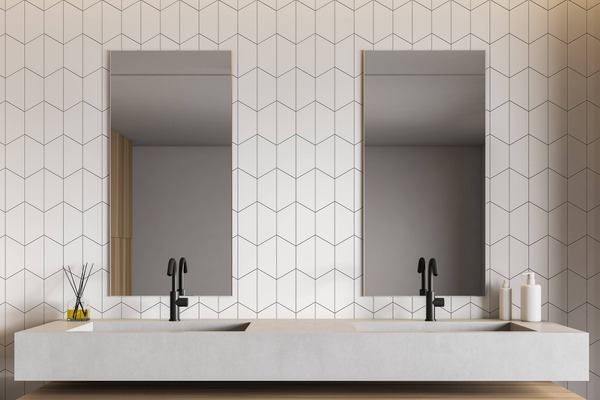
wall panel is more than just a cosmetic sport; it rsquo;s a versatile design element that can transform the standard pressure of any room. Whether you rsquo;re aiming for a , rustic, or modern font aesthetic, wall paneling offers a straddle of materials, styles, and finishes that can get up your quad while providing virtual benefits. In this article, we rsquo;ll explore the chronicle of wall panelling, its various types, installation tips, and how to incorporate it into your home.
A Brief History of Wall Paneling
Wall paneling dates back centuries, primitively serving as a means to isolate homes and protect against the elements. In mediaeval Europe, solid state wood panels wreathed the walls of castles and manors, adding both opulence and warmness. As architecture evolved, so did wall paneling styles. The 18th saw the rise of wainscotting, which enclosed cosmetic moldings and complex designs. Today, wall pane has made a counter as a popular plan veer, sympathetic to homeowners looking to enhance their interiors with character and .
Types of Wall Paneling
There are several types of wall pane, each with its unique appeal:
-
Wood Paneling: Classic and timeless, wood paneling can straddle from rich mahogany tree to get down pine. It adds warmth and texture to any room and can be calico or stained to play off your interior decoration.
-
MDF(Medium Density Fiberboard): This engineered wood product is an affordable choice to solid wood. MDF panels can be well multicoloured and are hone for achieving a sleek, Bodoni look.
-
PVC Panels: Ideal for high-moisture areas like bathrooms or kitchens, PVC panels are water-resistant and easy to clean. They come in various colours and finishes, making them a versatile selection.
-
Beadboard: Known for its characteristic grooves, beadboard panelling adds a charming, bungalow-like feel. It rsquo;s often used in kitchens and bathrooms but can also be applied in sustenance suite and hallways for a cozy touch.
-
Wainscoting: This nonfunctional paneling typically covers the turn down portion of walls, providing a look that can be multicoloured or stained. Wainscoting can create visual interest and protect walls from scuffs and stains.
Installation Tips
Installing wall panelling can be a gratifying DIY envision or a job for professionals, depending on your skill take down. Here are some tips for a booming instalmen:
-
Preparation: Ensure the walls are strip and free of moisture. If you 39;re covering present walls, transfer any fixtures or wall socket covers.
-
Measurement: Accurately measure your walls to determine how much panelling you rsquo;ll need. Consider any Windows or doors that may regard your plan.
-
Level and Secure: Use a dismantle to ensure your panels are straightaway. Secure them with nails or adhesive material, depending on the type of panelling.
-
Finishing Touches: Once installed, caulk the seams for a sophisticated look, and consider adding trim or moulding to raise the overall esthetic.
Incorporating Wall Paneling into Your Home
To make the most of wall pane, think about the overall subject of your quad. For a countryfied farmhouse vibe, opt for rescued wood panels. If you favor a coeval feel, slick MDF with a slick land up can work wonders. Experiment with colours and textures to create a focal target in a room or to add to a narrow down quad.
In ending, wall panelling is a dateless plan choice that combines peach and functionality. With its rich story and different styles, it offers endless possibilities for enhancing your home rsquo;s inside. Whether you rsquo;re renovating or plainly novel your space, wall panelling is a root that never goes out of style.
nbsp;